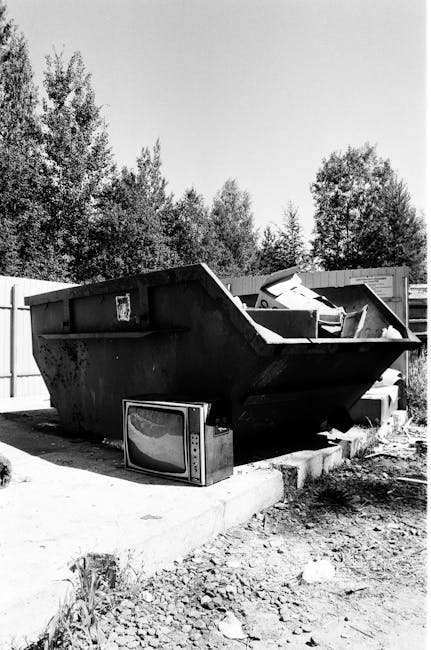
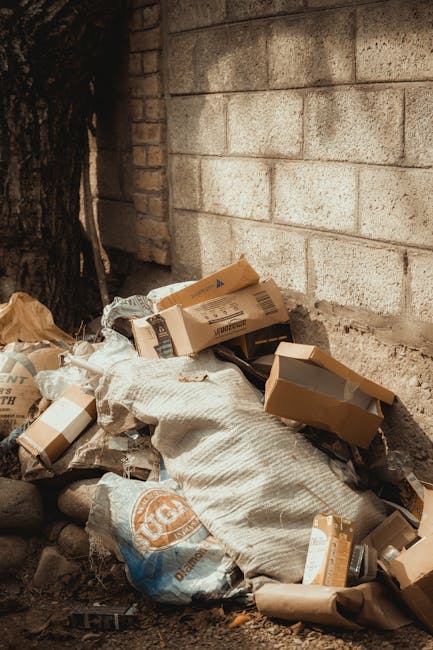
Professional Skip Hire in Lewisham for Homes and Businesses
Lewisham skip hire gives local homeowners, landlords and businesses a straightforward way to clear waste safely and keep projects moving. Whether you are emptying a property, tidying a garden, managing building debris or arranging a larger commercial clear-out, we help you choose the right service for the job and keep the process clear from the start. If you already know what you need, contact us to talk through the work and arrange the next step.
Our homepage brings together a wide range of waste and clearance services, including skip hire, same day skip hire, wait and load skip hire, builders skip hire and rubbish removal. That means you can compare the options in one place instead of trying to work out which service is best for a household tidy-up, a renovation, an office clearance or a site that needs prompt waste taken away.
Some customers want a simple container delivered for gradual loading. Others need a faster collection, help with heavier mixed waste or a service that suits tight access and busy streets. We also support a number of related jobs such as house clearance, office clearance, garage and loft clearance, garden waste removal and site clearance. The right choice depends on the amount of waste, how quickly it needs removing and how easy it is to load.
Lewisham skip hire and clearance services explained
Choosing the right waste service is easier when you understand what each option is for. A skip is usually the best fit when you have waste to collect over a period of time and room to place a container safely. A builders waste removal or construction waste disposal service can be better when the waste is bulky, heavy or generated in stages as a project progresses. A grab hire services or grab lorry hire option may suit jobs where loose material needs lifting from ground level without filling a skip first.
That flexibility matters because waste jobs are not all the same. Household clearances often involve a mix of furniture, bags, boxes and smaller items. Building work can create rubble, timber, packaging and offcuts. Garden jobs usually involve soil, branches, hedge cuttings and green waste. Office or commercial clearances may include desks, chairs, shelving, files, storage items and general office clutter. A good plan starts with identifying what is being removed, whether anything must be kept back and how the waste is best presented for collection.
We keep the service descriptions broad enough to be useful without pretending every job works the same way. If your waste is straightforward and you simply want the right container, skip sizes and prices is a sensible place to compare the available options. If access is awkward, the load needs taking away quickly or you cannot leave a skip on the road, wait and load skip hire may be the more practical choice.
For many customers, the decision comes down to three things: volume, timing and access. A small job with mixed household waste may suit a compact skip or a removal visit. A larger renovation or construction job may need a bigger container or a service designed for heavier waste streams. Tight driveways, controlled parking, limited frontage and shared access can all affect what is sensible, so it is worth considering the space before you commit.
If you are unsure which route to take, our service pages can help you compare likely options. You can also combine related needs where that makes sense. For example, a property clear-out may involve both a main clearance and a smaller load of waste that is better handled separately. A builder may need one arrangement for rubble and another for the lighter items left at the end of the job. The point is to match the service to the waste rather than forcing everything into one approach.
What the service can cover, and what needs separate agreement
Good waste planning depends on knowing what is included. A skip hire arrangement is typically about providing the container and collecting it once it is ready. A clearance or removal service is different because the team is also dealing with lifting and loading. That distinction matters if you are comparing services or deciding how much work you want to do yourself.
In practical terms, you may need to think about:
- the type of waste you have, such as household items, garden waste, rubble or mixed project waste;
- whether the waste is already bagged, stacked or spread out across a room, garden or yard;
- how much lifting is involved and whether anything is awkward, heavy or oversized;
- whether you need a container left in place or a faster same-visit collection;
- if any items require a separate arrangement because they need special handling or are not suitable for the main load.
That last point is especially important. Services such as hazardous waste disposal, fridge and appliance removal, mattress and sofa disposal and confidential shredding exist because some materials need a different route. If you are sorting a mixed job, it is often simpler to separate the items that need special attention before you book.
Customers often ask whether one service can do everything. Sometimes the answer is yes, but only if the waste type, access and timing all suit the arrangement. For example, a house clearance may cover a wide range of household contents, while a builders' waste job may be better handled through a container or a removal method that suits heavy, inert material. A garden clearance may be straightforward if waste is already gathered, but it can take more planning if the site contains dense roots, wet soil or overgrown areas that need sorting first.
It also helps to separate clearing from cleaning. A clearance service removes the items and waste agreed at the outset; it does not automatically mean a deep clean, repair work or reinstatement. Likewise, a skip lets you manage waste over time, but it does not gather or dismantle anything for you. Knowing that difference keeps the quote honest and the finished result closer to what you expected.
Domestic, commercial and specialist waste jobs
Our service range is broad because customers come to us with very different needs. domestic skip hire is often used for home clear-outs, decorating waste, garage empties, garden work and smaller refurbishment jobs. commercial skip hire is more suitable when a business needs an organised way to manage regular or project-based waste from its premises. office clearance can help when a workplace needs desks, chairs, storage items or general office contents removed efficiently.
Where the work is more specialist, the service pages help explain the differences. builders skip hire and builders waste removal are aimed at construction-style work. construction waste clearance and construction waste disposal are useful when the job involves a broader mix of site waste and materials that need organised removal. demolition waste removal is for heavier project waste generated by strip-out or knock-through work.
We also support services where access and timing matter as much as the waste itself. same day skip hire can suit urgent work when a project has started quickly or waste needs dealing with the same day. enclosed and lockable skip hire may be useful where security or containment is a concern. man and van can suit smaller loads, awkward items or moves that do not need a full container. muck away services can help where loose spoil or similar material needs moving efficiently from the site.
Because these services overlap in some situations, it is worth focusing on the end result you need. Do you want waste removed from the property? Do you want a container left on site? Do you need help with loading? Do you want to keep the disruption to a minimum? The best service is the one that solves the actual problem with the least unnecessary work.
How to prepare for a quote or booking
The most useful enquiry is the one that describes the job clearly. You do not need a perfect inventory, but the more accurate your information, the easier it is to match the service and explain any constraints. A few details usually make a big difference to the quote and to the choice between a skip, a removal service or a specialist collection.
- Describe the waste in plain terms, such as household clutter, garden waste, mixed renovation waste, office furniture or rubble.
- Say how much there is, even if it is only an estimate, and whether it is already gathered into one area.
- Explain access: driveway, kerbside, courtyard, narrow passage, upper floor or shared entrance.
- Tell us if there are any heavy, awkward or special items that may need a separate arrangement.
- Choose the timing you need and whether the work is planned in advance or needs prompt attention.
If you are comparing service types, it can also help to think about what you want to do yourself. If you are happy to load items gradually, skip hire may be the simplest choice. If you want the waste taken away quickly and the area cleared in one visit, a removal-based service may suit you better. If you have a very specific load, such as office contents, garden material or builders' waste, a more focused service may save time and avoid paying for a method that does not fit the job.
Photos are often useful when the waste is hard to describe, particularly if you are unsure how much room it will take. They help show whether items are loose or stacked, whether access is tight and whether there are obstacles such as steps, fences or parked vehicles. If the work involves a building or renovation site, it is also helpful to know whether the waste is mainly light, mainly heavy or mixed. That one distinction can change the best approach.
Customers sometimes worry about over-explaining. In reality, a short, accurate description is usually enough. The useful information is the type of waste, the rough amount, the access and any deadlines. Once those points are clear, it becomes much easier to match the right service and avoid unnecessary back-and-forth.
Pricing: what affects the cost of skip hire and waste removal?
We do not rely on vague pricing language here because customers need to know what drives the cost. For skip hire and waste removal, the main factors are usually the volume of waste, the type of material, the amount of labour involved and how easy it is to access the property. A compact domestic load that is already bagged and ready to go is very different from a mixed clear-out spread across several rooms or a heavy builders' load that needs more careful handling.
Pricing and quotes should always be judged against the same scope. If you are comparing one provider with another, make sure the quote covers the same waste type, the same access conditions and the same level of loading help. A lower figure can look attractive at first, but it is not useful if it assumes less work, fewer items or a different collection method.
Other factors can also matter. Tight access may affect how the job is completed. Heavy or dense waste can change the workload more than a larger but lighter load. Jobs that need urgent attention, a same-day response or a specialist vehicle may be priced differently from planned bookings. If parking is difficult or a road-facing placement is involved, that can also influence the best arrangement. The point is not that one service is always cheaper than another, but that the right method should fit the job rather than forcing the job into a fixed pattern.
For that reason, the most accurate quote comes from describing the waste honestly and choosing the service that matches it. If you are unsure whether the job is better suited to skip sizes and prices, rubbish removal or a specialist collection, it is sensible to compare those options before you commit. The best value usually comes from choosing the right service first, then matching the scale of the work to it.
If sustainability is important to you, it is also worth discussing what can be separated before the collection. Some jobs can be made more efficient by keeping recyclable material apart from general waste or by removing reusable items separately. You can read more about our approach on recycling and sustainability. That does not change the fact that the waste still needs to be handled properly, but it can help the job go more smoothly.
About our service in Lewisham
Lewisham skip hire sits at the centre of a wider waste and clearance service covering domestic, commercial and specialist work. The business details provided include a Lewisham base, a London address at 88 Lee High Rd, London, SE13 5PT, and contact availability that runs across the week. That combination makes it easier for local customers to plan around household jobs, business clearances and construction work without having to search for several different providers.
The service range is particularly useful for customers who want one local point of contact for several related needs. A homeowner clearing a loft may later need garden waste removed. A landlord emptying a property may also need furniture, appliances or confidential paperwork dealt with separately. A contractor may need a skip for one stage of a job and a grab service or rubbish removal for another. Keeping those options under one roof saves time when the project changes.
Because the business offers both general and more specialised services, it is worth using the website to narrow down the right fit before you book. House clearance, garage and loft clearance, garden waste removal and site clearance each solve a different problem, even though they all sit within the same overall waste-management offering. That is helpful for customers who want a service that is practical rather than overly broad.
If you are ready to talk through the job, the fastest next step is to use the contact route that suits you and explain the waste in straightforward terms. If you are still deciding, compare the relevant service pages first so you can choose the option that matches the amount of waste, the space available and the time you have to complete the work.
Lewisham and the local area
Lewisham is a busy South East London district with a mix of homes, shops, workplaces and transport links, so waste jobs here often need a practical approach. Some properties have limited frontage, shared access or controlled parking, while others are easier to service from a driveway or forecourt. That means planning matters as much as the amount of waste itself. A well-chosen service can reduce disruption and make it easier to keep a household or business moving while the clear-out is under way.
The area includes well-known places such as Blackheath, Catford and Deptford, and it serves a wide range of property types. That variety often shows up in the kind of waste customers need removed: household clutter from older terraces, renovation material from improving flats, garden waste from larger plots, or mixed contents from small commercial units and offices. It is one reason why a single generic approach rarely works well for every booking.
For customers who are working near Lewisham town centre or along the main transport corridors, timing and access can be important. Busy roads, shared entrances and restricted parking can all affect how a skip or collection should be arranged. If the job is in a tighter residential street, it is often worth checking the access points first and deciding whether a skip, a wait-and-load option or a collection visit is the easier fit.
A useful local resource for bulky waste and recycling
When you are sorting through items before a clearance, it can help to know what should be separated from the main load. Local residents may also need to think about reuse, recycling and material-specific disposal before booking a collection. For example, items such as appliances, mattresses, sofas, confidential paperwork and mixed household clutter often need different handling, and some materials are better set aside rather than piled into the same load. If you are unsure what can go together, our guide to what can go in a skip is a useful place to start, and the pages for fridge and appliance removal and mattress and sofa disposal explain two common problem items.
That kind of preparation saves time on collection day and can make the overall job cleaner and easier to manage. It also helps you decide whether to book a general clearance, a specialist removal or a skip that suits mixed waste. If you want to keep the process simple, sort the items into what stays, what goes in the main load and what needs a separate arrangement before you confirm anything.
Ready to book Lewisham skip hire?
If you want a clear, local waste solution, we can help you choose between skip hire, clearance, removal or a specialist service. The easiest next step is to describe the waste, the access and the timing, then use the most relevant service page to continue. From there, we can help you decide whether a skip, a removal visit or a mixed approach will work best for the job.
You can also explore the service pages for related needs such as builders waste removal, commercial skip hire, domestic skip hire, wait and load skip hire and waste recycling services. Each one answers a different practical question, which makes it easier to choose the right route without paying for a service that does more than you need or less than you expected.
When you are ready, get in touch and tell us what you need removed. A short, accurate description is usually enough to begin.