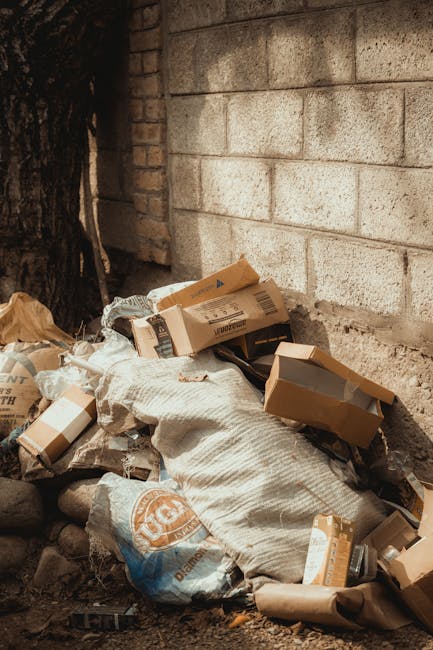
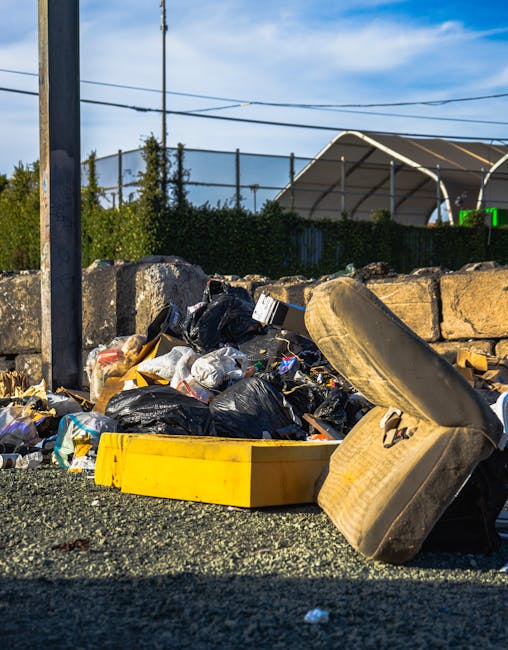
Lewisham Rubbish Removal Near Lewisham Station: A Practical Local Guide
If you need Lewisham rubbish removal near Lewisham station, you are probably dealing with one of those jobs that looks small at first and then suddenly takes over the hallway, the stairwell, or the back garden. A few bags become a pile. A broken wardrobe blocks the landing. Or maybe you are moving out, clearing a flat, or dealing with builders' waste after a quick refurb. Whatever the reason, getting waste removed promptly matters more in a busy station area than people often expect.
Near Lewisham station, access can be tight, parking can be awkward, and the pace of daily traffic does not really wait around for a heap of old furniture or rubble. This guide explains how rubbish removal works locally, what to expect, what to avoid, and how to choose the right waste solution without wasting time or money. You will also find a practical checklist, a comparison table, and a few useful service links where they genuinely help.
Expert summary: The best rubbish removal choice near Lewisham station usually depends on access, urgency, waste type, and whether you need a quick collection or a more structured load-and-clear service. In truth, the right option is often the one that fits your street as much as your rubbish.
- Fast local collections are useful when space is limited.
- Different waste types need different handling.
- Planning access and loading time saves hassle.
- Recycling and responsible disposal should be part of the decision, not an afterthought.
Table of Contents
- Why Lewisham rubbish removal near Lewisham station Matters
- How Lewisham rubbish removal near Lewisham station Works
- Key Benefits and Practical Advantages
- Who This Is For and When It Makes Sense
- Step-by-Step Guidance
- Expert Tips for Better Results
- Common Mistakes to Avoid
- Tools, Resources and Recommendations
- Law, Compliance, Standards, or Best Practice
- Options, Methods, or Comparison Table
- Case Study or Real-World Example
- Practical Checklist
- Conclusion
- Frequently Asked Questions
Why Lewisham rubbish removal near Lewisham station Matters
Lewisham station is one of those places where movement never really stops. Trains in, buses out, people walking with shopping bags, commuters cutting through, deliveries arriving. That means waste sitting outside for too long is not just inconvenient; it can become a real nuisance. Bags can split, furniture can obstruct pavements, and building waste can create a safety issue very quickly.
For households, landlords, shop units, and contractors nearby, quick rubbish removal is about more than tidiness. It helps keep access clear, reduces complaints from neighbours, and stops the kind of small mess that turns into a bigger one by the afternoon. Let's face it, nobody wants to drag a sofa frame past a busy station entrance at rush hour if it can be avoided.
It also matters because different waste jobs around the station tend to be mixed. A flat clear-out may include general rubbish, an old mattress, a fridge, and a few bags of odds and ends. A builder may need to shift plasterboard, timber, packaging, and heavy rubble. That mix shapes the best service choice. A one-size-fits-all approach rarely works well.
If you are still deciding what kind of service you need, it can help to look at broader waste options such as rubbish removal, domestic skip hire, or man and van collection, depending on how much you have and how quickly it needs to go.
How Lewisham rubbish removal near Lewisham station Works
Most rubbish removal services follow a fairly simple pattern, but the practical details matter. First, you describe what needs to be taken. Then the provider estimates the vehicle, time, crew, and disposal route required. After that, the waste is collected from the property or from a point that is safe and accessible.
Near Lewisham station, access is often the deciding factor. If a vehicle cannot park directly outside, the team may need to carry items a short distance. If the waste is in a flat above a shop, or in a narrow side street, that extra time should be considered from the start. It sounds obvious, but it is one of the main reasons jobs run late.
For some jobs, a simple collection is enough. For others, a skip may be better, especially if you are generating waste over several days. If the load is mostly builders' material, a service like builders waste removal or construction waste disposal may suit you better than a general clearance. And if the area is tight or access is awkward, a wait and load skip hire arrangement can be a very neat solution.
Some properties around the station also benefit from timed collections when there is no space for a long drop-off. That is where services such as same day skip hire or grab hire services can be useful, particularly if the waste is bulky or heavy and you want it moved in one go.
Typical rubbish removal flow
- You send a description or photos of the waste.
- The provider checks access, volume, and waste type.
- A suitable collection method is chosen.
- The team arrives and removes the waste.
- The load is sorted for disposal and recycling where possible.
If the waste includes items like a fridge, sofa, or mattress, it may need a more specific handling route. For example, fridge and appliance removal and mattress and sofa disposal are better than assuming everything can just be bundled together and forgotten about. That is how people end up with avoidable delays. Bit annoying, but entirely preventable.
Key Benefits and Practical Advantages
The biggest benefit of local rubbish removal near Lewisham station is simple: it saves you effort at the exact point where effort is most awkward. Carrying broken furniture through shared hallways or trying to load waste into a car on a narrow road is rarely fun. A local clearance service removes that friction.
Another benefit is speed. When rubbish is sitting in a front garden, basement, or office corridor, it gets in the way of life and work. A quick collection clears the visual clutter and reduces the risk of trips, spills, and complaints. There is also something oddly satisfying about seeing a room or yard go from crowded to calm in under an hour.
For commercial clients, rubbish removal can support business continuity. Shops, offices, and managed buildings near the station often need a service that is careful, discreet, and efficient. If you are clearing a workplace, office clearance and commercial skip hire are often worth comparing. The right choice depends on whether you need a one-off clear-out or recurring waste management.
There is also the sustainability angle. Responsible waste operators should separate recyclable materials where practical and route waste correctly. If environmental responsibility matters to you, it is worth looking at recycling and sustainability and waste recycling services before booking. Even a small clearance can be handled better when recycling is built into the plan.
What people usually appreciate most
- No heavy lifting in awkward spaces.
- Less disruption to neighbours and passers-by.
- A faster route from clutter to usable space.
- Clearer handling of mixed waste and bulky items.
- A more predictable outcome than piecemeal DIY trips.
Who This Is For and When It Makes Sense
This kind of service is for anyone near the station who needs waste gone without turning the job into a weekend project. That includes homeowners, tenants, landlords, shop managers, builders, facilities teams, and people clearing a property before sale or let.
It makes particular sense if you are dealing with one of these situations:
- A flat move with lots of unwanted furniture and bagged waste.
- End-of-tenancy clearance where time is short.
- Small renovation or decorating waste.
- Garden waste from a compact rear yard or shared outdoor area.
- Office or retail clear-outs.
- Garage, loft, or storage-room decluttering.
For those more contained domestic jobs, services like garage and loft clearance or house clearance may be more suitable than a straight rubbish lift. If the waste is green and bulky, garden waste removal can keep the job clean and straightforward.
Builders and tradespeople often need something more robust. A refurbishment job may suit builders skip hire, construction waste clearance, or even site clearance if the project is larger. The key is choosing the right scale for the rubbish, not just the first service name you see.
If you have confidential materials, office archives, or paperwork mixed into the clear-out, do not just toss it all into general rubbish. A proper confidential shredding approach is a much safer bet. A slightly boring part of the job, admittedly, but the boring bits are often the ones that save you hassle later.
Step-by-Step Guidance
Here is the simplest way to approach rubbish removal near Lewisham station without overthinking it.
1. Sort what you actually have
Start by grouping items into broad types: general waste, furniture, electrical items, green waste, building waste, and anything potentially hazardous. This helps the provider quote accurately and helps you avoid mixing waste that should be handled separately.
2. Check access early
Measure the route if needed. Note stairs, narrow hallways, basement access, permit restrictions, and whether a vehicle can stop nearby. If access is awkward, mention it upfront. Near the station, that small detail can change the whole job.
3. Decide whether you need a skip or a collection
If waste will keep arriving over several days, a skip may be more practical. If you want everything gone in one sweep, a collection service may be easier. You can compare skip hire with a direct lift service and decide based on your space and timeframe.
4. Ask about waste type and exclusions
Not all rubbish can be loaded together. If you have fridges, mattresses, paint, chemicals, or mixed construction debris, say so clearly. A reputable provider will advise what can be taken and what needs separate handling.
5. Confirm timing and loading expectations
If you need the waste cleared before a contractor arrives or before a flat handover, make that deadline explicit. It sounds basic, but early clarity prevents last-minute scrambles. Nobody enjoys a 7 a.m. call about a blocked front path.
6. Prepare the waste for collection
Move items to an accessible point if possible, but only if safe to do so. Keep sharp objects secured, bag loose waste, and clear a path. A tidy staging area speeds things up and can reduce the overall disruption.
7. Keep the paperwork simple but complete
Good operators should provide clear terms, payment information, and disposal expectations. If you are comparing providers, check pricing and quotes, payment and security, and the terms and conditions. Not glamorous reading, but sensible.
Expert Tips for Better Results
After enough waste jobs, a pattern starts to emerge. The smoothest ones are rarely the fanciest; they are the best prepared.
Tip 1: Take photos in daylight. A few clear images of the waste and access route usually help more than a long message. Morning light is best if you can manage it, because shadows hide all sorts of things.
Tip 2: Separate heavy and awkward items. Rubble, soil, and bulky furniture do not behave the same way. If you are dealing with dense material, services like muck away services or grab lorry hire may be a better fit than a standard lift-and-load approach.
Tip 3: Plan for parking realities. Near Lewisham station, a service that depends on easy roadside access needs more thought than it would in a quiet suburban cul-de-sac. If parking is uncertain, ask how the team handles loading distances or short stays.
Tip 4: Be honest about mixed waste. A bit of plasterboard hidden under bags may seem harmless, but it changes how the load may need to be handled. The honest quote is usually the cheaper quote in the long run. Sounds strange, but it is true.
Tip 5: Think about lockable storage if needed. If you are managing a shared site or want to prevent fly-tipping around the waste area, enclosed and lockable skip hire can offer extra peace of mind.
Tip 6: Use wait-and-load when parking is the problem. If you cannot leave a skip in place, but still want the efficiency of a larger load, wait and load skip hire can be a very practical compromise.
One more thing. If you are unsure whether a service can handle a particular item, ask before the collection day. A two-minute question now saves a ten-minute headache later. Maybe more.
Common Mistakes to Avoid
Most rubbish removal problems are not dramatic. They are the slow, annoying kind that come from poor planning.
- Underestimating the volume. A few bags can become a van full quickly. If in doubt, size up rather than down.
- Forgetting about access. A narrow stairwell, low wall, or no-parking restriction can affect the whole job.
- Mixing waste without checking. General waste, electricals, green waste, rubble, and hazardous items may need different treatment.
- Leaving everything to the last minute. Same-day work is possible in some cases, but not every case.
- Ignoring hazardous items. Paint, chemicals, asbestos-related materials, and some electricals should never be casually bundled in.
- Not asking how disposal is handled. Responsible handling matters. It should not be a mystery.
Another easy mistake is assuming a skip is always better than removal, or vice versa. Not at all. The better option is the one that fits your waste, your access, and your timeline. Sometimes that is a skip. Sometimes it is a flat clearance. Sometimes it is just a quick van load and done.
Tools, Resources and Recommendations
You do not need a complicated toolkit for rubbish removal, but a few simple things make the job smoother.
- Phone camera: useful for photos of waste, access, and any awkward points.
- Tape measure: helpful for large furniture or tight hallways.
- Heavy-duty bags: ideal for loose waste, soft items, and mixed household rubbish.
- Gloves and sensible footwear: practical for moving items safely before collection.
- Notebook or phone notes: keep a quick list of waste types and items.
If you are comparing services, a good starting point is to review what can go in a skip, then see whether your load is better suited to skip sizes and prices or a direct collection. If you are dealing with something highly specific, such as appliances or mixed commercial rubbish, explore fridge and appliance removal and commercial skip hire as well.
For readers who want a trusted provider background, about us is the obvious place to understand the company approach, while insurance and safety and health and safety policy help reassure you that the operation is set up properly. That kind of confidence matters, especially in a busy local area.
Law, Compliance, Standards, or Best Practice
Waste removal in the UK is not just a matter of tipping things into a vehicle and hoping for the best. Good practice matters because rubbish still has to be handled, transported, and disposed of responsibly. Even when a job looks routine, the operator should know what they are doing with the load.
For the customer, the safest approach is straightforward: make sure your waste is handed to a legitimate operator, avoid mixing items that should be treated separately, and keep records where appropriate for commercial or landlord jobs. If you are clearing a business property, office, or managed site, a bit of admin now can prevent questions later.
Special care is needed for hazardous or sensitive materials. Items that may be classed as hazardous should be discussed in advance rather than left in a pile with everything else. If there is any doubt, use hazardous waste disposal rather than guessing. It is not the glamorous part of waste management, but it is the responsible part.
Permits may also matter where skips or containers are placed on public roads or restricted spaces. Depending on the setup, skip hire permits or skip permits may be relevant. The exact requirement depends on location and placement, so it is best to ask rather than assume.
Best practice is usually about three things: correct handling, safe access, and honest communication. If those are in place, most jobs near the station run far more smoothly than people expect.
Options, Methods, or Comparison Table
Here is a simple comparison of common approaches for rubbish removal near Lewisham station. The right answer depends on the job, but this should make the choice clearer.
| Option | Best for | Strengths | Limitations |
|---|---|---|---|
| General rubbish removal | Household clutter, mixed waste, quick clear-outs | Fast, flexible, minimal effort from you | May not suit large ongoing jobs |
| Skip hire | Renovations, longer projects, larger volumes | Useful for gradual loading, good for repeat use | Needs space and sometimes permits |
| Wait and load | No-parking streets, short access windows | Great where space is tight | Time on site must be organised well |
| Grab hire | Heavy or bulky waste, mixed material, soil, rubble | Efficient for larger loads and awkward waste | Needs suitable access for the vehicle |
| Man and van | Flexible light-to-medium loads | Good for quick collections and removals | Not always ideal for very heavy debris |
If you are unsure, think first about space, then about waste weight, then about timing. That order usually gets you to the right answer quicker than over-analysing the service names.
Case Study or Real-World Example
A fairly typical scenario near Lewisham station goes like this. A landlord has just had a tenant move out of a two-bed flat above a parade of shops. There are two broken wardrobes, a mattress, several bin bags, a small fridge, and a few bits of flat-pack furniture left behind. The hallway is narrow, the building has shared access, and the new tenant is due in two days.
At first, the landlord thinks about hiring a skip. But there is no easy place to leave it, parking is tight, and the loading would likely stretch over more than one day. So a direct rubbish removal approach makes more sense. The team comes in with the right vehicle, clears the items efficiently, and keeps the communal entrance free for neighbours and shoppers. Nice and simple. Exactly what was needed.
In a different case, a small builder working near the station needs to clear plasterboard, timber, and packaging from a refurbishment. There is room for a skip but not a lot of margin. After comparing the access requirements, a builders skip or a builders waste removal service proves the cleaner choice. The job is handled in one visit, and the site stays safer for the trades working the next day.
Those two examples show the same thing from different angles: the best solution is the one that suits the street, the load, and the deadline, not just the label on the service page.
Practical Checklist
Use this checklist before booking Lewisham rubbish removal near Lewisham station.
- Identify the main waste types.
- Estimate volume honestly, even if it feels awkward.
- Check whether any items are heavy, sharp, or hazardous.
- Photograph the waste and the access route.
- Note stairs, parking limits, or narrow entry points.
- Decide whether you need same-day collection or can book ahead.
- Compare rubbish removal, skip hire, and wait-and-load options.
- Ask about recycling and disposal handling.
- Check payment terms and service conditions.
- Confirm the collection time and any loading expectations.
- Keep pathways clear on the day of collection.
If you are still working out the best route, pricing and quotes can help you compare options without guesswork, and book online is a useful next step once you know what you need.
Conclusion
Lewisham rubbish removal near Lewisham station is mostly about making a busy part of London feel manageable again. Whether you are clearing a flat, shifting builders' waste, dealing with bulky furniture, or just trying to get your space back, the right service should save time, reduce stress, and fit the practical realities of the area.
The key is to match the job to the method. General clearance works well for mixed household waste. Skip hire suits larger or ongoing projects. Wait-and-load helps where parking is tight. And specialist options handle items that should not be treated as ordinary rubbish. Once you see it that way, the choice becomes much easier.
Get a free quote today and see how much you can save.
And if you want to understand the company behind the service a little better, take a look at about us and the contact us page for the next sensible step. Sometimes the clearest way forward is simply to ask the question and get the clutter moving.
Frequently Asked Questions
How quickly can rubbish be removed near Lewisham station?
It depends on the load, access, and availability, but quick turnaround is often possible for straightforward jobs. If you need urgent help, same-day options may be worth asking about. The earlier you share photos and details, the easier it is to confirm timing.
Is rubbish removal better than skip hire for a flat near the station?
Often, yes, if space is tight or there is nowhere sensible to leave a skip. Rubbish removal can be more practical for one-off clear-outs, while skip hire works better for longer projects or repeated loading. It really comes down to access and how much time you have.
What if I have a mix of furniture, bags, and appliances?
That is very common. Mixed household waste is one of the main reasons people book rubbish removal. If you have appliances too, mention them early so items such as fridges or white goods can be handled properly through the right service.
Can builders' waste be collected from a small site near the station?
Yes, provided access is workable and the waste type is described clearly. For heavier or more regular building waste, services such as builders skip hire, construction waste clearance, or grab hire may be more suitable than a general household clearance.
Do I need a permit for rubbish removal?
Usually not in the same way as a skip on the road, but access and stopping restrictions still matter. If you are planning a skip or container placement, permit-related pages such as skip hire permits and skip permits are useful to review.
What happens to the rubbish after collection?
It should be sorted and taken to appropriate disposal or recycling routes where practical. Responsible operators will separate materials and aim to divert suitable items from general waste. That is part of why checking recycling and sustainability information is worthwhile.
Can you remove garden waste from a compact back yard?
Yes, and this is often one of the easier jobs if access is clear. Garden waste removal is particularly useful where branches, soil, clippings, and old planters have piled up faster than expected. Happens all the time, frankly.
What should I do with confidential paperwork?
Do not put it into ordinary rubbish if it contains sensitive information. Confidential shredding is the safer option, especially for office clear-outs, landlord paperwork, or any mixed property clearance containing private documents.
Is same-day rubbish removal always available?
Not always. Availability depends on workload, distance, access, and waste type. If timing is critical, ask as early as possible and be flexible if you can. A short delay is often better than forcing the wrong service into the wrong slot.
How do I know whether I need a skip or a man and van service?
Ask yourself whether the waste will be created all at once or over several days. If it is one big load, a man and van style collection may be the simplest answer. If you want to fill gradually, skip hire can be better. The comparison table above is a good place to start.
Can you take mattresses, sofas, and fridges together?
Sometimes yes, but each item type may need to be handled differently. It is best to mention them during booking so the provider can confirm the right approach. Dedicated mattress and sofa disposal or fridge and appliance removal services may be the cleaner option.
What is the main mistake people make near Lewisham station?
The biggest mistake is underestimating access. The waste itself may be easy. The street, stairs, parking, and loading space are often the real challenge. A quick look at the route before booking can save a lot of stress later.