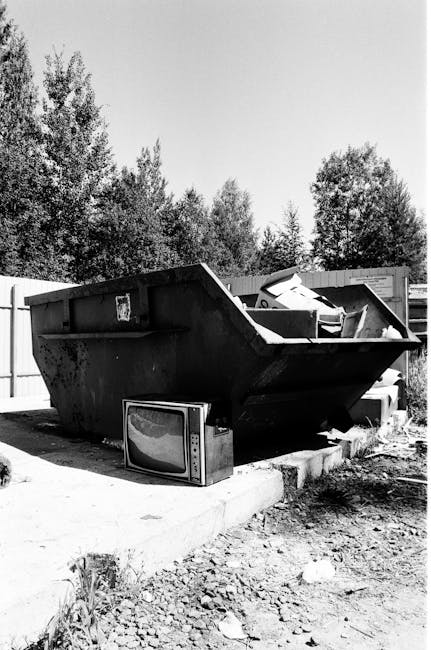
Lewisham council rules for bulky waste disposal explained
If you are staring at an old mattress, a broken wardrobe, or a sofa that will not fit through the door anymore, you are not alone. Bulky waste has a way of sitting in the hallway a little too long, becoming part obstacle, part guilt trip. This guide on Lewisham council rules for bulky waste disposal explained breaks everything down in plain English so you can get rid of large household items without stress, wasted time, or a messy fine-up situation.
The rules can feel fiddly at first, but once you understand what counts as bulky waste, what Lewisham expects, and when a private clearance service makes more sense, the whole thing becomes much easier. You will also find practical tips, a step-by-step process, a comparison table, and a realistic checklist to help you make the right call for your home, your budget, and your timetable.
Truth be told, most people do not need a lecture. They need a clear answer: can this item go out, who takes it, how much trouble is it likely to cause, and what is the quickest sensible route? Let's get into that.
Table of Contents
- Why Lewisham council rules for bulky waste disposal explained Matters
- How Lewisham council rules for bulky waste disposal explained Works
- Key Benefits and Practical Advantages
- Who This Is For and When It Makes Sense
- Step-by-Step Guidance
- Expert Tips for Better Results
- Common Mistakes to Avoid
- Tools, Resources and Recommendations
- Law, Compliance, Standards, or Best Practice
- Options, Methods, or Comparison Table
- Case Study or Real-World Example
- Practical Checklist
- Conclusion
- Frequently Asked Questions
Why Lewisham council rules for bulky waste disposal explained Matters
Bulky waste is one of those household jobs that looks simple until you are halfway through it. A bed base may be easy enough to shift, but what about a fridge, a set of kitchen cupboards, or an awkward armchair with springs sticking out? Suddenly, disposal becomes a logistics problem, not just a tidy-up task.
Lewisham council rules matter because they help keep bulky items out of pavements, front gardens, alleyways, and shared spaces where they can block access or attract fly-tipping. They also shape how residents should present items, what can be collected, and what should be separated before collection. In practice, that means less confusion and fewer failed attempts. If you have ever left something out only to wonder whether you have done it right, you will know the feeling.
There is another reason it matters. Wrongly dumped bulky waste can become a nuisance very quickly. Wet upholstery smells. Damaged timber splinters. Glass and metal edges create obvious safety issues. In London, where space is tight and neighbours are close by, a bulky item left in the wrong place can cause friction fast. Nobody wants that on a Tuesday morning before work.
Understanding the local rules also helps you choose between council collection, reuse, recycling, or a private waste service. That choice can affect cost, speed, and how much effort you personally have to put in. A bit of knowledge here saves a surprising amount of hassle later.
How Lewisham council rules for bulky waste disposal explained Works
At a basic level, bulky waste refers to large household items that are too big for a normal bin collection. Think sofas, mattresses, wardrobes, tables, white goods, and other large domestic items. The exact acceptance rules and booking arrangements can change, so the safest approach is to check current local guidance before setting anything out.
In general, bulky waste disposal works in one of a few ways:
- Council collection for eligible household items, usually booked in advance.
- Reuse or donation where an item is still usable and someone else can benefit.
- Private removal for faster turnaround, awkward items, or larger loads.
- Recycling routes for items with reusable materials or separable parts.
For Lewisham residents, the practical point is this: bulky waste should not simply be abandoned outside and hoped for the best. Items usually need to be booked, placed in the right location, and prepared in a way that helps crews lift and sort them safely. If the item contains hazardous components, such as refrigeration gases or chemicals, it may need special handling. That bit matters more than people think.
Most households are dealing with one of three scenarios. First, a one-off item after a move. Second, a mini clear-out after replacing furniture. Third, a bigger job where several rooms are being emptied at once. The rules are easy enough for the first. The third? That is where planning pays off, especially if you want to avoid multiple trips or collection delays.
A sensible rule of thumb: if the item is bulky but otherwise ordinary household waste, it may be suitable for a standard collection route. If it is unusually heavy, mixed with other materials, contaminated, or too many items in one go, a fuller clearance solution may be better. No drama. Just match the method to the job.
Key Benefits and Practical Advantages
When you understand the local rules, you get more than just compliance. You get control. That sounds a bit grand, but it is true.
- Less time wasted because you know which disposal route fits your item.
- Fewer collection failures since items are prepared correctly.
- Better safety for you, your neighbours, and the collection crew.
- Reduced fly-tipping risk by keeping bulky waste off the street.
- Improved recycling potential where items can be separated or reused.
- Clearer budgeting because you can compare council booking options with private removal.
There is also a practical mental benefit. Once bulky waste is scheduled properly, it stops hanging over you. That old sofa in the spare room does not just vanish, of course, but at least it stops whispering at you every time you pass the door. Small victory, but a real one.
For landlords, letting agents, and homeowners preparing for sale, the benefit is even clearer. A clean, empty room photographs better, smells fresher, and makes the whole property feel more cared for. In our experience, people often underestimate how much space bulky waste steals from a home. One item can make a room feel half the size.
Who This Is For and When It Makes Sense
This topic is useful for a lot of people, not just those doing a full house clear-out.
- Tenants leaving a flat and needing to dispose of old furniture.
- Homeowners replacing sofas, wardrobes, or beds.
- Families clearing garages, lofts, or sheds.
- Landlords between tenancies.
- People handling probate or house clearance after a relative has moved or passed away.
- Small businesses that have office furniture to remove, if the waste stream is domestic-compatible or arranged appropriately.
It also makes sense if you are dealing with awkward access. A top-floor flat with narrow stairs, a terraced house with no rear gate, or a property on a busy road can make a normal collection harder than you expect. That is where a service like man and van waste collection or rubbish removal may be worth considering, especially when speed matters.
If you only have one large item, a council route can be perfectly sensible. If you have a whole room to clear, the private route may be more efficient. If you are not sure, ask yourself: do I want to move one item, or do I want the whole job finished properly in one go? That answer usually points you in the right direction.
Step-by-Step Guidance
Here is a simple way to approach bulky waste disposal in Lewisham without overcomplicating it.
- Identify the item clearly. Note what it is made of, how big it is, and whether it is one piece or several parts.
- Check whether it can be reused. If it is clean, functional, and safe, donation or resale may be the better route.
- Separate any dangerous extras. Remove batteries, loose glass, personal belongings, food residue, and anything obviously hazardous if safe to do so.
- Decide whether it fits a council bulky collection. If the item is ordinary household bulky waste, the local route may work well. If the load is larger or more complex, compare other options.
- Prepare the item for collection. Make it accessible, keep it dry where possible, and place it exactly where instructed.
- Book the service or arrange removal. Use the route that suits the item, the urgency, and the access conditions.
- Take photos if needed. This is helpful for your own records, especially for shared properties or tenancy end checks.
- Confirm the collection window. People often forget this one. Then they are surprised when the item is still there the next morning.
A small but useful tip: dismantling a bulky item can change everything. A bed frame that looks impossible to carry whole may become easy once split into manageable sections. Just do not overdo it if screws, sharp edges, or weight make the job awkward. Safety first, pride later.
And if the item is wet, mouldy, or heavily damaged, do not assume it is automatically rejected. It may still be collectible, but it needs to be presented honestly and handled carefully. That is one of those details people skip, then regret.
Expert Tips for Better Results
The easiest bulky waste jobs are the ones you plan before dragging anything outside. A few practical habits make a big difference.
- Measure the item and the access route. Doorways, stair corners, and tight hallways are where plans go sideways.
- Bundle like with like. Keep furniture separate from loose waste wherever possible.
- Remove anything recyclable or reusable first. A wooden wardrobe may have metal fixings; a sofa may have removable cushions or covers.
- Book early for busy periods. End-of-tenancy weeks, bank holidays, and summer moves can fill schedules quickly.
- Think about neighbours. A bulky item left on the pavement too long can be a nuisance, even if you mean well.
- Use photos to avoid misunderstandings. A quick picture can help when asking for a quote or confirming what needs removing.
One thing that regularly catches people out is mixed waste. For example, a chest of drawers with a broken mirror, loose screws, and a bag of unrelated items stuffed inside is not just one item anymore. It is a sort of messy puzzle. Sort it before collection, and the whole thing becomes easier.
If you are deciding between council collection and private removal, ask yourself how much handling is involved. The more lifting, sorting, or carrying required, the more valuable a full-service option becomes. No shame in that. Sometimes paying for convenience is the sensible move, especially if you have stairs, bad weather, or a very long week already.
Common Mistakes to Avoid
Most problems with bulky waste come from a few repeated mistakes. Happily, they are easy to avoid once you know them.
- Leaving items out before booking. This can cause complaints, obstruction, or collection issues.
- Assuming every large item is accepted the same way. White goods, mattresses, and furniture can have different handling needs.
- Mixing hazardous waste with normal bulky waste. Paint, chemicals, gas canisters, or damaged electricals need separate thought.
- Forgetting access details. A crew cannot collect what they cannot safely reach.
- Underestimating the weight. That old filing cabinet is heavier than it looks. Always.
- Choosing the cheapest option without checking the full scope. A low headline price can become poor value if extra charges appear for stairs, distance, or multiple items.
Another common mistake is failing to think through the end of the job. People get the item removed, but forget to clean the space, patch minor damage, or check whether a replacement is arriving the same day. Then the room feels unfinished. Not disastrous, just annoying.
To be fair, bulky waste jobs often happen in a rush. A parent is juggling school pick-up, a tenant is moving out, or someone has finally had enough of the broken freezer in the shed. That is exactly why a simple plan helps. Do the thinking first, then lift the thing later.
Tools, Resources and Recommendations
You do not need a van full of equipment to manage bulky waste well, but a few basic tools help a lot.
- Tape measure for checking size and access.
- Gloves for grip and hand protection.
- Sturdy sacks or tubs for loose fixtures, screws, and small parts.
- Camera phone for before-and-after photos and quote requests.
- Basic screwdriver or multi-tool for dismantling safe, simple items.
- Blanket or sheet to protect floors or reduce scuffs while moving items.
For homeowners or landlords considering alternative routes, the following services may help depending on the waste type and size: domestic skip hire, skip hire, wait and load skip hire, or house clearance. If you have larger, mixed, or awkward material, a service like grab hire services can also be useful in the right setting.
If you are planning a room-by-room clear-out, it may also help to think in categories: furniture, white goods, garden waste, mixed junk, and confidential items. Keeping those separate often saves money and avoids confusion. The less mixed the load, the better the outcome tends to be. Simple, but effective.
Law, Compliance, Standards, or Best Practice
Waste disposal in the UK is not just about tidiness. There are legal and environmental responsibilities around how waste is stored, transferred, and collected. For residents, the practical point is straightforward: do not dump bulky waste illegally, and do not assume an item is harmless just because it is large and familiar.
Best practice is to use a legitimate collection route, keep records where relevant, and make sure the waste is handled by a service that treats disposal and recycling properly. If you are hiring a private company, check that they are insured and clear about what they take. That sounds basic, but it really matters. A quick question at the start can prevent a headache later.
If the item contains electrical parts, refrigerants, or potentially hazardous materials, extra care is sensible. Refrigerators, for example, are not treated the same way as a wooden shelf. Mattresses may need special processing. Sofas can contain mixed materials that affect recycling. The details vary, but the principle is the same: separate, identify, and handle properly.
For multi-item jobs, it is often wise to keep a simple paper trail or digital note of what was removed, when, and by whom. This is especially useful for landlords, property managers, and anyone involved in end-of-tenancy clearance. It is not about bureaucracy for its own sake. It is about avoiding confusion if questions come up later.
Practical takeaway: if the waste is bulky, mixed, or time-sensitive, match the removal method to the item rather than forcing everything through one route.
Options, Methods, or Comparison Table
Below is a simple comparison of common bulky waste disposal routes. The best option depends on the item, the time you have, and how much lifting you want to do yourself.
| Method | Best for | Pros | Limitations |
|---|---|---|---|
| Lewisham council collection | Typical household bulky items | Local, straightforward, suitable for one-off items | May require booking and preparation; not ideal for large mixed loads |
| Private rubbish removal | Fast turnaround or awkward access | Flexible, often quicker, less lifting for you | Can cost more depending on volume and item type |
| Skip hire | Home projects and larger clear-outs | Good for multiple items, DIY waste, and staged loading | Needs space and sometimes a permit; not all bulky items suit every skip |
| Wait and load | Fast roadside collection | Useful where space is limited and loading can be done quickly | Needs efficient prep and a clear plan |
| Reuse or donation | Usable furniture and appliances | Environmentally sensible, may help someone else | Not suitable for damaged, dirty, or unsafe items |
When does one option win over the others? If you have a single sofa and no rush, a council route may be perfectly reasonable. If you are clearing a loft, garage, and spare room in one go, a broader service may save time and repeated handling. If the item still has life in it, reuse is worth exploring first. It is easy to skip that step in a hurry, but it can make the difference between waste and value.
Case Study or Real-World Example
Imagine a Lewisham household replacing a worn three-seater sofa and two broken bedside cabinets. The sofa is bulky, the cabinets are lighter but awkward, and the hallway is narrow. The family could leave the items until the weekend and try to drag everything out at once, but that would mean more lifting, more clutter, and probably at least one bruised shin. You know how these things go.
Instead, they separate the job into steps. First, they check whether the sofa can be donated. It cannot, because the frame is damaged and the upholstery is badly worn. They then remove loose cushions, bag up the bits and pieces from inside the cabinets, and measure the route from the living room to the front door. One cabinet is dismantled enough to reduce its size. The sofa is still heavy, so they choose a collection method that includes lifting support.
The result is not glamorous, but it is effective. The room is cleared in one visit, the items are handled properly, and the family does not spend a Saturday wrestling with furniture in the drizzle. A very London kind of win, really. Not dramatic. Just practical.
This is the kind of scenario where understanding the bulky waste rules saves real energy. It is less about bureaucracy and more about not making a simple job harder than it needs to be.
Practical Checklist
Use this checklist before you arrange bulky waste disposal in Lewisham.
- Have I identified exactly what needs removing?
- Can any of the item be reused, donated, or sold?
- Have I removed loose contents, batteries, glass, or other hazards?
- Do I know whether the item is accepted by the chosen service?
- Have I checked access from the property to the collection point?
- Is the item too heavy or awkward to move safely by myself?
- Do I need dismantling tools or help from another person?
- Have I compared council collection with private removal or skip hire?
- Do I know the collection day and time window?
- Have I taken photos in case I need a record later?
If you can tick most of those off, you are in good shape. If not, pause and sort the weak spots first. A little prep now saves a lot of faffing about later. That is usually the difference between a smooth collection and a stressful one.
Get a free quote today and see how much you can save.
Conclusion
Lewisham council rules for bulky waste disposal are easier to follow once you know the basics: identify the item, check the route, prepare it properly, and choose the method that fits the size and urgency of the job. For one-off household items, a local collection may be enough. For larger, mixed, or time-sensitive clear-outs, a private service may be the smarter option.
The key is not perfection. It is simply making the right decision for the situation in front of you. A sofa removed properly is one less thing crowding the room. A loft cleared well is one less job hanging over your head. Small thing, big relief.
If you want a practical next step, compare the options, check the item type, and decide how much lifting you want to do yourself. Then move on with your day. The spare room will thank you for it.
Frequently Asked Questions
What counts as bulky waste in Lewisham?
Bulky waste usually means large household items that will not fit in a normal wheelie bin or standard sack collection. Sofas, beds, wardrobes, mattresses, and large appliances are common examples. The exact handling depends on the item and its condition.
Can I leave bulky waste on the pavement for collection?
Only if it has been arranged through the correct collection route and placed exactly as instructed. Leaving items out unbooked can cause obstruction, complaints, or enforcement issues. It is better to confirm the booking first, even if the item is annoying you at that point.
Does Lewisham council collect fridges and freezers?
White goods such as fridges and freezers often need special handling because of their materials and components. They may be included in bulky waste arrangements, but the best approach is to check the current acceptance rules before you set one aside.
How should I prepare a sofa for disposal?
Remove cushions, check for hidden items, and make sure the path out of the property is clear. If it can be safely dismantled to reduce size, that can help. If it is wet or damaged, mention that when arranging collection so there are no surprises.
Is it better to use council collection or a private service?
It depends on the item, how fast you need it gone, and how much lifting you want to do. Council collection can be suitable for straightforward domestic items. A private service may be better for bigger loads, difficult access, or urgent clearances.
Can I dispose of bulky waste with a skip?
Yes, in many cases, but not every bulky item suits every skip setup. You also need enough space for delivery and loading, and sometimes a permit. If you are clearing mixed household waste as well, skip hire can be a very practical option.
What should I do with broken electrical items?
Broken electricals should be separated from general bulky waste where possible. Some items may be recyclable or require specialist disposal. Do not mix them in casually with furniture or general junk, because that can create handling problems.
Are mattresses accepted as bulky waste?
Mattresses are commonly treated as bulky waste, but they can be awkward items because they are large, soft, and often hard to recycle through normal channels. Keep them clean and accessible, and confirm the collection requirements in advance.
How much bulky waste can I dispose of at once?
That depends on the collection method. A standard bulky waste booking may have item limits or size rules, while private services and skip hire can handle larger volumes. If you have several rooms' worth of waste, it is worth comparing options first.
What happens if my bulky waste is not collected?
If the collection is missed, first check whether the items were presented correctly and whether the booking details were followed. Access problems, restricted items, or missed preparation steps are common reasons. If needed, arrange a new collection or another disposal route.
Can I reuse or donate bulky items instead of throwing them away?
Yes, and that is often the best first check if the item is still usable. Clean furniture, working appliances, and items in decent condition may be suitable for reuse. If it is damaged, unsafe, or unhygienic, disposal is usually the more realistic option.
What is the fastest way to get rid of bulky waste in Lewisham?
If speed is the priority, a private removal service is often faster than waiting for a standard council booking. That said, the right choice depends on what you are moving, access to the property, and whether you want the lifting done for you. Sometimes the quickest answer is also the simplest one.